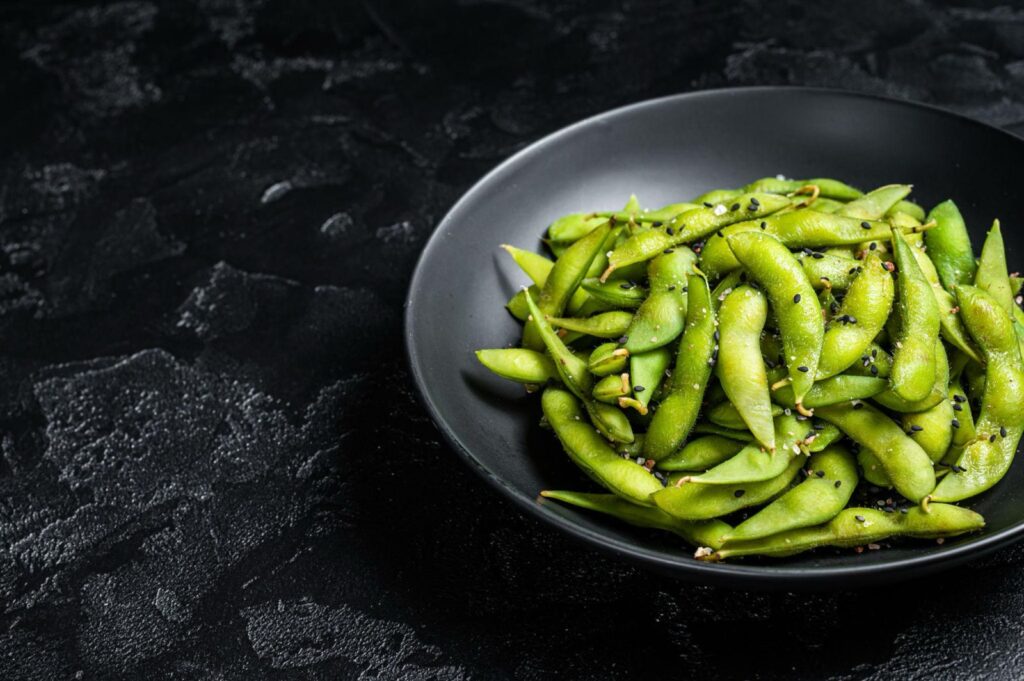

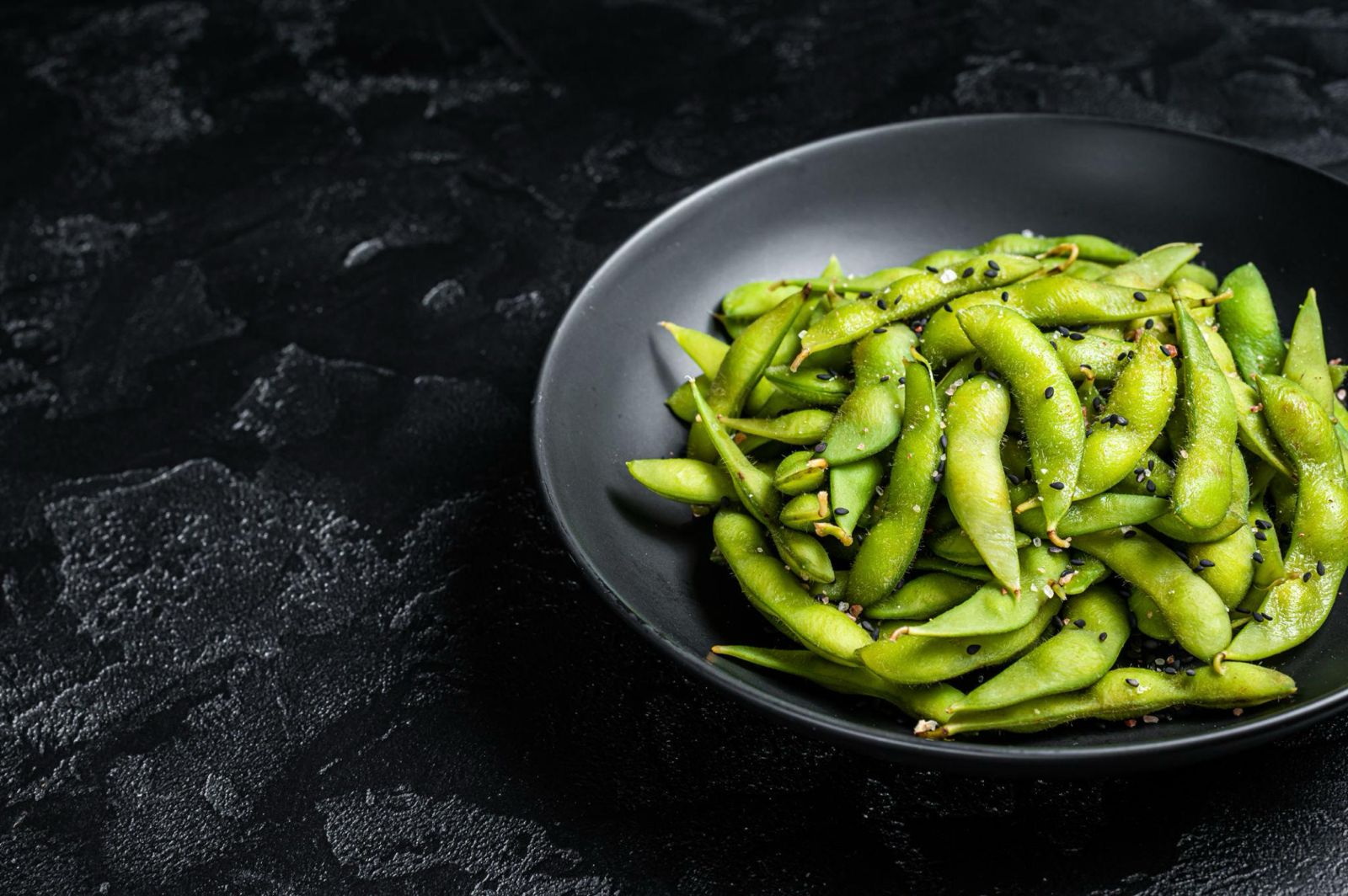
If you’ve ever ordered sushi or visited a modern Asian restaurant, you may have come across a bowl of bright green beans served as a starter. Those little beans are edamame—young soybeans that have become increasingly popular as a nutritious and convenient food.
But what exactly is edamame? Is edamame healthy? How does it compare with popular Indian snacks like makhana and peanuts? And are roasted edamame beans a good choice for everyday snacking?
Let’s take a closer look.
What Is Edamame?
Edamame are young, green soybeans harvested before they fully mature. Unlike mature soybeans, which are commonly processed into foods such as tofu, tempeh and soy milk, edamame are usually eaten as whole beans.
They are naturally rich in plant protein and fibre, making them an interesting option for people looking to add more plant-based foods to their diet.
Soy is also one of the plant protein sources considered a complete protein, meaning it contains all nine essential amino acids that the body cannot make on its own and needs to obtain from food.
According to Harvard’s Nutrition Source, ½ cup of boiled edamame provides approximately 11 grams of protein.
That combination of protein, fibre and a satisfying texture is one reason edamame has become a popular ingredient in everything from salads and bowls to snacks.
Is Edamame Healthy? Benefits Explained
Edamame can be a nutritious addition to a balanced diet, particularly when eaten as part of an overall varied eating pattern.
1. A Plant-Based Source of Protein
Protein is important for maintaining and building tissues throughout the body. Edamame provides plant-based protein, and soy protein is notable because it contains all nine essential amino acids.
For people looking to include more plant-based protein in their diet, edamame offers a convenient alternative to relying only on animal-based foods.
2. Naturally Provides Fibre
Edamame is a legume, and legumes are recognised sources of dietary fibre as well as protein.
Fibre is an important part of a balanced diet and supports normal digestive function. Including a variety of fibre-containing foods—such as legumes, vegetables, fruits, whole grains and nuts—can help you build a more balanced eating pattern.
3. Nutrient-Dense Plant Food
In addition to protein and fibre, soy foods can provide a range of vitamins and minerals. The nutritional profile of edamame makes it more than simply a source of protein—it is a whole plant food that can fit into a varied diet.
Of course, the nutritional profile of a finished snack also depends on how the product is prepared. Seasonings, oil, salt and other ingredients can change the overall nutrition of a packaged snack, so checking the nutrition label is always a good habit.
Edamame vs Makhana: Which Snack Is Right for You?
Makhana and edamame are both popular choices among people looking for alternatives to conventional fried snacks, but they are quite different foods.
Edamame is a soybean and naturally provides plant protein and fibre.
Makhana, also known as fox nuts or lotus seeds, is a different plant-based food with its own nutritional characteristics.
If your priority is adding more plant protein to your snack routine, edamame can be particularly appealing. If you simply want variety in your snacking, makhana can also have a place in a balanced diet.
So rather than asking which one is universally better, think about what you want from your snack: protein, texture, flavour, convenience or simply variety.
Edamame vs Peanuts: Protein, Taste & Nutrition
Peanuts are another familiar plant-based snack and are naturally rich in protein, along with fats and other nutrients.
Edamame and peanuts therefore have some similarities, but they offer a different eating experience.
Peanuts:
- Nutty, rich flavour
- Good source of plant protein
- Naturally contain fats
- Extremely versatile as a snack or ingredient
Edamame:
- Fresh, savoury plant-based flavour
- Good source of plant protein
- Provides fibre
- Soy protein is a complete protein
Harvard’s Nutrition Source includes both edamame/soybeans and peanuts among plant-based protein foods. The important point is that different foods provide different combinations of nutrients—the overall “protein package” matters, not just the number of grams of protein.
For snack lovers, the choice may ultimately come down to what you enjoy eating. Some days call for peanuts. Other days call for a crunchy bowl of roasted edamame.
Why Is Edamame Becoming a Popular Snack?
Food preferences are changing. Many consumers today are looking for snacks that offer more than just taste—they want convenience, interesting flavours and nutritional value.
Edamame fits naturally into this shift.
It is plant-based, protein-containing, versatile and easy to incorporate into different meals and snack formats. Its naturally firm texture also makes it particularly suitable for roasting, creating the crunchy experience many people look for in a snack.
This is where edamame moves beyond being something you occasionally order at a restaurant. It can become part of an everyday snacking routine.
Are Roasted Edamame Beans Good for Everyday Snacking?
Roasting changes the texture of edamame, giving it a satisfying crunch while making it convenient to eat straight from the pack.
For people who enjoy savoury snacks, roasted edamame can be an interesting alternative to reaching for conventional fried or highly processed snack foods.
You can enjoy roasted edamame:
- Between meals
- At your desk during a busy workday
- While travelling
- Before or after a workout
- As a crunchy topping for salads and bowls
- During movie or evening snack time
However, not all roasted edamame products are nutritionally identical. Flavourings and preparation methods can affect calories, sodium, fat and other nutritional values. So when choosing a packaged snack, take a moment to check the nutrition information and ingredient list.
How to Add Edamame to Your Everyday Routine
You don’t need to completely change your diet to enjoy edamame.
Start small.
Replace one conventional snack with a portion of roasted edamame. Add edamame to a salad or grain bowl. Keep a pack at your desk for those afternoon cravings. Or simply enjoy it when you want something crunchy and savoury.
The goal isn’t to make every snack “perfect.” It’s to create more choices that fit your taste, lifestyle and nutritional needs.
Meet Cravo™: Edamame with a Crunch
At Cravo™, we believe better snacking shouldn’t mean giving up flavour.
That’s why we’re bringing roasted edamame to the snack aisle with bold flavours, satisfying crunch and plant-powered goodness.
From Fiery Peri Peri and Magic Masala to Pudina Zing and Pepper Punch, Cravo™ is designed for people who want their snacks to be exciting as well as convenient.
Whether you’re between meetings, heading to the gym, travelling or simply craving something crunchy, Cravo™ gives you another way to snack.
The Bottom Line
Edamame is more than just a trendy green bean.
It is a young soybean that naturally provides plant protein and fibre, and soy is notable among plant proteins for being a complete protein. Its versatility, texture and nutritional profile make it an interesting addition to modern snacking.
Whether you choose fresh edamame, add it to meals or enjoy it roasted and crunchy, it is one more delicious way to bring variety to your everyday diet.
And when better-for-you food can also taste great?
That’s a snack worth getting excited about.
Sources & Further Reading
- Harvard T.H. Chan School of Public Health — The Nutrition Source: Straight Talk About Soy (https://nutritionsource.hsph.harvard.edu/soy/)
- Harvard T.H. Chan School of Public Health — The Nutrition Source: Legumes and Pulses (https://nutritionsource.hsph.harvard.edu/legumes-pulses/ )
- Harvard T.H. Chan School of Public Health — The Nutrition Source: Protein (https://nutritionsource.hsph.harvard.edu/what-should-you-eat/protein/ )
- Harvard T.H. Chan School of Public Health — The Nutrition Source: Fiber (https://nutritionsource.hsph.harvard.edu/carbohydrates/fiber/ )